Pool shocking kills algae, bacteria, and chloramines in a single treatment, and every Houston pool owner needs to know how to do it right. Between the 90°F heat, heavy UV, and near-weekly thunderstorms, your pool chemistry takes a beating that regular chlorine maintenance simply cannot keep up with. Done right, it takes under 30 minutes and keeps your pool safe for weeks.
In this guide, we’ll walk you through when to shock, which product to use, and the exact steps to do it correctly the first time.
Why Shock a Pool In Houston?
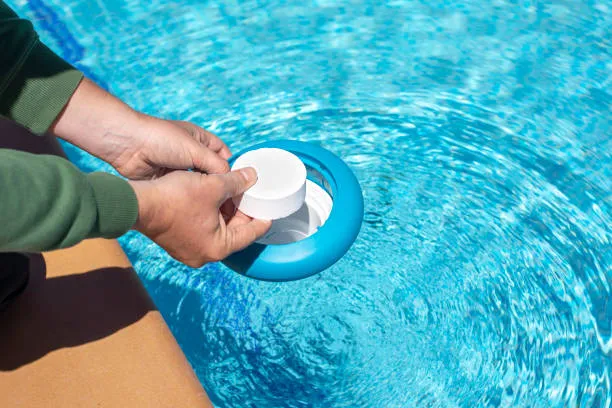
Shocking a pool eliminates contaminants that regular chlorine levels cannot handle alone. Free chlorine sanitizes your water daily, but it gets used up fighting bacteria, sweat, sunscreen, and algae spores. When combined chlorine builds up past 0.5 ppm, the water becomes unsafe and smells like a public locker room. It is one of the fastest way of cleaning your pool.
Shocking resets your pool’s chemistry. It destroys chloramines, kills active algae, and restores the sanitizing power your pool needs. Think of it as a deep cleaning of swimming pool and regular maintenance routine cannot replace.
Houston pools need this more often than most. Heat above 90°F accelerates chlorine loss, and heavy rainfall regularly dilutes and unbalances pool chemistry.
When to Shock a Pool In Houston?
There is no single rule for when to shock. Pool conditions and usage patterns determine the schedule. Here are the seven situations that always require it.
1. Rain and Thunderstorms
Heavy rain dilutes your pool’s chlorine and drops pH almost instantly. It also washes in phosphates, dirt, and organic debris that feed algae growth. Shock within 24 hours after any significant Houston thunderstorm.
2. Opening and Closing
A pool sitting closed all winter accumulates bacteria, algae spores, and organic waste no matter how well it was covered. Shock at opening to reset chemistry and again at closing to prevent buildup from sitting for months.
3. Algae Outbreaks
Green, yellow, or black algae means free chlorine has dropped to near zero. Regular maintenance doses will not fix an active outbreak. You need a shock dose two to four times the normal amount, depending on how green the water is.
4. Heavy Pool Usage
Every swimmer adds sweat, body oils, and bacteria to the water. A pool party with 10 or more people in a single afternoon can overwhelm your chlorine in hours. Shock the same evening after heavy use days.
5. Low or No Chlorine
If your test shows free chlorine below 1 ppm, shocking is faster and more effective than waiting for regular tabs to dissolve. Low chlorine means contaminants are already multiplying. Do not wait.
6. Remove Chloramines
A strong chemical smell from your pool is not too much chlorine. It is chloramines, which are spent chlorine compounds that irritate eyes and skin. Shocking destroys chloramines and restores clean-smelling water. This is called breakpoint chlorination.
7. Fecal Incident
Any fecal contamination in a pool requires immediate action. Clear the pool, raise free chlorine to 20 ppm for at least 30 minutes, and keep the pump running the entire time. This is non-negotiable for bather safety.
Key Takeaways:
- Rain and heavy usage are the two most overlooked triggers for shocking in Houston
- A chemical smell means you need MORE shock, not less
- Algae outbreaks require two to four times the standard dose
Types of Chlorine Test Results
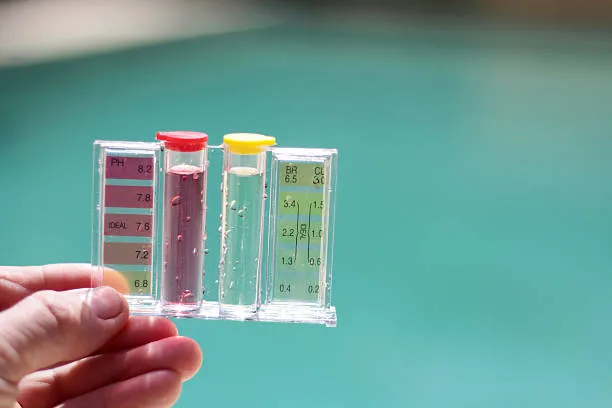
Before shocking, you need to know what your test results actually mean. Three numbers matter.
Free Available Chlorine (FAC)
Free chlorine is the active sanitizer in your pool. It is the chlorine available right now to kill bacteria and algae. The ideal range is 1 to 3 ppm for daily swimming. Shocking targets 10 ppm or higher to break through algae and chloramine buildup.
Combined Chlorine (CC)
Combined chlorine is used-up chlorine that has already reacted with contaminants. It has very little sanitizing power left. When CC rises above 0.5 ppm, your water is not clean even if total chlorine looks fine on the test strip. This is the trigger number for shocking.
Total Available Chlorine (TAC)
Total chlorine is simply FAC plus CC added together. A pool can show healthy total chlorine but still need shocking if the combined chlorine portion is too high. Always test all three numbers before making any decision.
| Warning Sign | What It Means | Action |
| Green water | Free chlorine near zero, algae active | Shock immediately at 2-4x normal dose |
| Strong chemical smell | Chloramines built up | Shock to breakpoint chlorination |
| Cloudy water after rain | pH and chlorine dropped | Shock within 24 hours |
| Skin or eye irritation | Combined chlorine too high | Shock and retest |
| No smell, clear water | Chemistry is balanced | Maintain regular schedule |
Which Type of Pool Shock Should I Use?
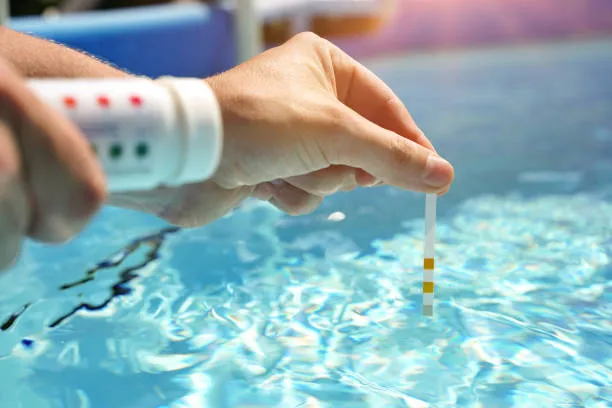
Not all shock products do the same thing. The right choice depends on your pool type, your current chemistry, and what problem you are solving. If you still find any confusion, you can read the complete guide to clean your pool step by step efficiently.
Calcium Hypochlorite (Cal-Hypo Shock)
Cal-Hypo is the strongest and most cost-effective option for most pools. It typically contains 65–75% available chlorine and works fast against algae and bacteria. It raises calcium hardness slightly with each use, which matters in Houston where water is already hard.
Use Cal-Hypo for: plaster and fiberglass pools, green pool recovery, and breakpoint chlorination. Pre-dissolve it in a bucket of water before adding it to the pool. Never add Cal-Hypo directly to the skimmer.
Do not use Cal-Hypo in saltwater or vinyl liner pools. It can cause scaling and damage over time.
Dichloro-S-Triazinetrione (Dichlor Shock)
Dichlor is a stabilized shock, meaning it contains CYA (cyanuric acid) that protects chlorine from UV breakdown. It dissolves quickly and can be added directly to the water without pre-dissolving. It is gentler on pool surfaces than Cal-Hypo.
Use Dichlor for: quick top-ups when the pool is already balanced, weekly maintenance shocks, and situations where you need chlorine to last longer in direct sunlight. Avoid overusing Dichlor if your CYA is already high, as too much stabilizer reduces chlorine’s effectiveness.
Potassium Monopersulfate (Non-Chlorine Shock)
Non-chlorine shock oxidizes organic contaminants without adding any chlorine to the water. It destroys chloramines, clears up cloudy water, and lets swimmers return to the pool faster, usually within 15 minutes. It does not kill algae.
Use non-chlorine shock for: weekly oxidizing treatments, saltwater pools, and situations where you want to eliminate chloramines without altering your chlorine balance. It is not a substitute for chlorine-based shock when algae is present.
Key Takeaways:
- Cal-Hypo is the best choice for green pool recovery in most Houston pools
- Dichlor works well for regular maintenance but can build up CYA over time
- Non-chlorine shock oxidizes contaminants fast but will not kill an algae outbreak
How to Shock a Pool in Houston
The steps below apply to any pool and any shock type. Skipping any one step reduces effectiveness and wastes money. It will help you to avoid the mistakes which a pool owner can do while doing it. For example, adding the chemicals in wrong dosage and order.
Step 1. Test the Water
Test for free chlorine, combined chlorine, pH, and total alkalinity before adding anything. pH must be between 7.4 and 7.6 for shock to work properly. Alkalinity should be 80 to 120 ppm. If either is off, adjust first and then retest before shocking.
A pool with pH above 7.8 loses most of the shock’s power before it can work. Five minutes of testing saves an entire treatment from being wasted.
Step 2. Circulate the Water and Add Pool Shock
Turn your pump on and leave it running. For Cal-Hypo, pre-dissolve the product in a five-gallon bucket of water first. Pour the mixture slowly around the pool’s perimeter near the return jets at dusk.
Shock at night in Houston. Sunlight destroys unstabilized chlorine within hours of application. Evening treatment gives the product a full night to work before UV exposure begins the next morning.
Step 3. Wait for FAC Level to Drop
Run the pump for at least 8 hours after shocking. Do not let anyone swim until free chlorine drops back to 1 to 3 ppm. This typically takes 12 to 24 hours depending on the dose used.
Test before you let anyone in the water. High free chlorine above 5 ppm irritates skin and eyes. Patience here protects your family and your pool finish.
Step 4. Enjoy Clean, Safe Water
Once FAC is back in range, your pool is ready. The water should be clear, smell neutral, and test within normal ranges across all chemistry points. If the water is still cloudy after 24 hours, run the filter longer and add a clarifier to help trap fine particles.
If cloudiness persists beyond 48 hours, retest your chemistry. Something is still off, whether pH, alkalinity, or a clogged filter.
Key Takeaways:
- Always test and balance pH before shocking, not after
- Shock at night in Houston to prevent UV from destroying the treatment
- Do not skip the post-shock FAC test before swimmers re-enter the pool