The single biggest mistake Houston pool owners make is adding chemicals without testing the water first specifically ignoring pH balance before adding chlorine. When pH is outside the 7.2–7.6 range, chlorine loses up to 90% of its sanitizing power, meaning owners keep adding more product without fixing the root problem. In Houston’s climate, where heat, heavy UV, and frequent rainstorms constantly shift water chemistry, untested dosing creates a cycle of wasted chemicals and persistent water problems.
You’re Adding Chlorine to a Pool That Can’t Use It
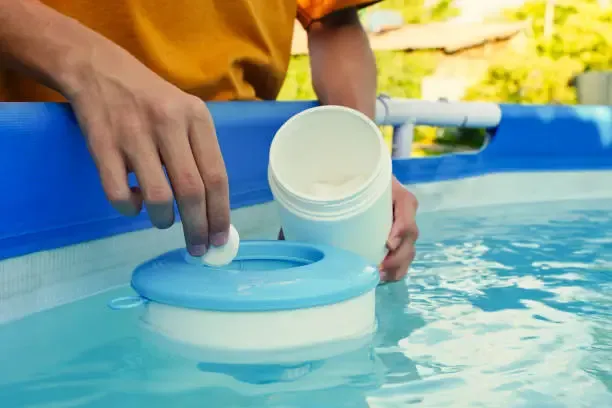
Houston pool owners waste hundreds of dollars every year on one specific error dosing chlorine into water without first checking pH.
Here is why this matters mechanically. Chlorine sanitizes through a chemical compound called hypochlorous acid. The percentage of your chlorine that converts into active, sanitizing hypochlorous acid is almost entirely controlled by pH level. At a pH of 8.0, only around 20% of chlorine is in active form. At a pH of 7.2, approximately 65% is active. Most Houston pool owners who battle persistent algae and cloudy water are adding the correct chlorine dose into water where the pH is silently neutralizing most of it.
The mistake then compounds itself. Because the chlorine appears ineffective, owners add more. More chlorine at a high pH still does not sanitize properly but it does corrode equipment, bleach liners, irritate skin and eyes, and cost additional money. This is the cycle that drains $400–$800 from Houston pool owners every single year, and it starts entirely with skipping one simple test.
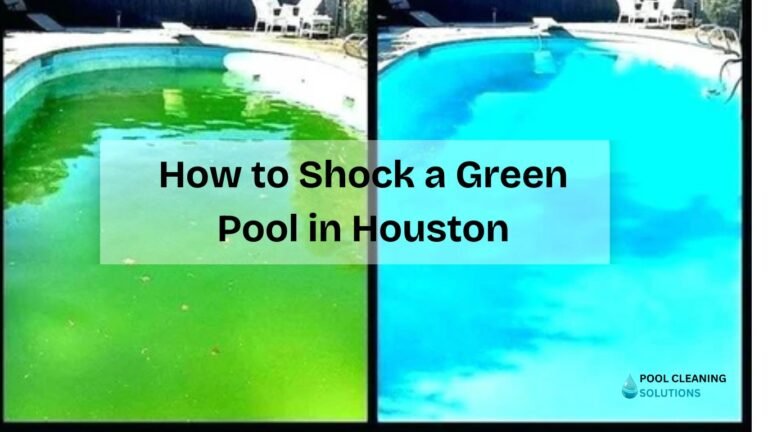
If you have ever wondered why your pool keeps turning green even after adding chemicals, this pH failure is almost always the root cause.
5 Pool Chemical Mistakes Houston Owners Must Avoid
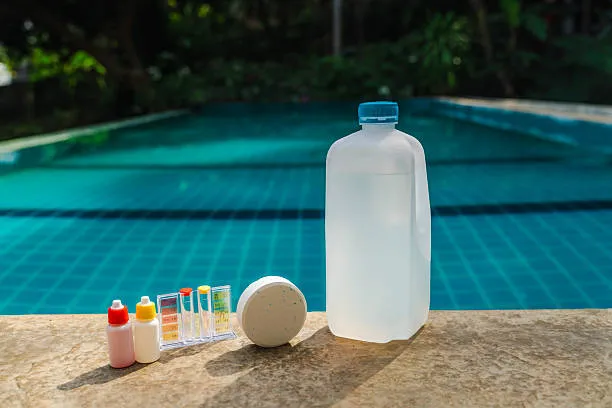
Houston’s heat, UV intensity, and heavy rainfall make every one of these errors more damaging and more expensive than they would be in any other climate.
1. Dosing Chlorine Without Testing pH First
When pH exceeds 7.8, up to 80% of your chlorine becomes chemically inactive. You are paying full price for a product doing almost nothing. Test and correct pH before every chlorine addition without exception.
2. Skipping Shock Treatment After Rainfall
Houston rainstorms dilute every chemical in your pool within hours. Chlorine drops, alkalinity falls, and algae spores introduced by rainwater find an unprotected environment. Shock your pool within 24 hours of any rainfall event exceeding half an inch.
3. Adding Chemicals in the Wrong Order
Sequence matters more than most owners realize. Adding chlorine before correcting pH wastes product. Adding shock and algaecide the same day destroys the algaecide completely before it can do anything.
4. Ignoring Cyanuric Acid Levels
Without stabilizer maintained at 30–50 ppm, Houston’s direct sunlight destroys free chlorine within hours of application. This is the hidden reason many Houston pools burn through chlorine at an abnormal rate all summer long.
5. Mixing or Pre-Combining Chemicals
Chlorine shock and muriatic acid in contact with each other produce toxic chlorine gas. Trichlor tablets and calcium hypochlorite shock combined in the same container can cause fire or explosion. Always add each chemical separately to pool water and never combine them outside the pool.
Why Houston Makes This Mistake More Costly Than Anywhere Else
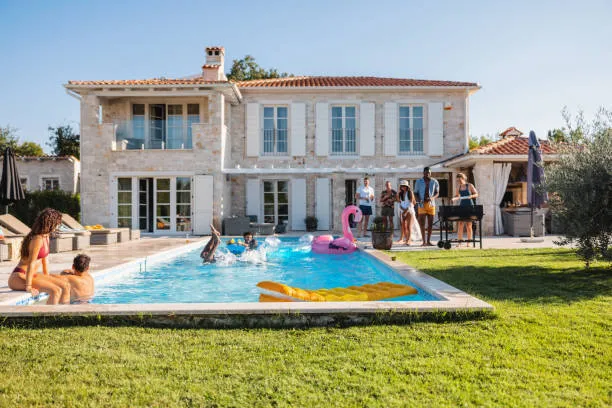
Houston’s long swim season, relentless UV, and frequent storms create a chemical environment most national guides never account for. Follow our complete pool cleaning guide to stay ahead of every seasonal shift before it costs you. Here are the quick points in which you can see how climate affects pool chemistry.
| Houston Climate Factor | Effect on Pool Chemistry |
| Summer heat regularly exceeding 95°F | Accelerates algae growth cycles by 2–3x vs. cooler climates |
| UV radiation intensity (long summer season) | Destroys unstabilized chlorine up to 90% within hours of application |
| 50+ inches of annual rainfall | Dilutes all chemicals and drops alkalinity after every heavy storm |
| 9–10 month swim season | Extends annual chemical exposure and wear on equipment |
| High humidity | Promotes surface algae on waterline tile and skimmer edges |
The national pool maintenance advice telling you to “test once a week and adjust as needed” was written for climates that are nothing like Houston. Twice-weekly testing during summer months is the correct baseline here and within 24 hours after any rainfall event exceeding half an inch, you need to retest. Understanding why your pool gets dirty faster in Houston begins with recognizing these climate-driven chemical shifts.
The Right Way to Add Pool Chemicals in Houston
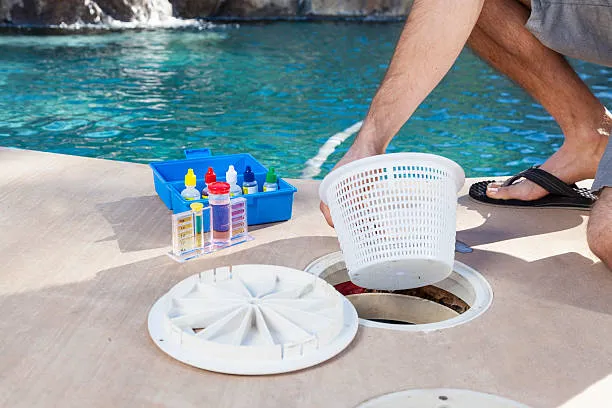
Knowing what goes wrong is only half the answer. Here is the exact sequence that eliminates all five mistakes above in one routine.
Step 1 — Test Total Alkalinity
Target: 80–120 ppm. Alkalinity is the chemical buffer that stabilizes pH. If alkalinity is off, every pH correction you make will drift back within hours. Fix this first before touching anything else.
Step 2 — Adjust Alkalinity if Needed
Use sodium bicarbonate to raise alkalinity. Use muriatic acid to lower it. Run the pump on high for four hours before retesting.
Step 3 — Test and Correct pH
Target: 7.2–7.6. This is the single most impactful number in your pool. At this range, 60–65% of your chlorine converts into active sanitizing form. Outside this range, most of your chlorine investment is wasted.
Step 4 — Dose Chlorine
Target: 1–3 ppm free chlorine. With pH now in the correct range, every unit of chlorine you add works at full capacity. This is why the same chlorine dose that failed last week will work this week once pH is corrected.
Step 5 — Check Cyanuric Acid
Target: 30–50 ppm. In Houston’s UV environment this is not optional. Without stabilizer, chlorine you added in the morning may be largely gone by afternoon. If levels exceed 100 ppm, partial water replacement is required.
Step 6 — Add Specialty Chemicals Last
Algaecide, clarifier, and enzyme products go in last and never on the same day as shock. Shock destroys algaecide and breaks down enzymes on contact. Wait at least 24 hours after shocking before adding either product.
One rule that overrides everything:
Always add chemicals to water. Never add water to chemicals. Pre-dissolve granular products in a bucket of clean water before broadcasting them into the pool.
Pool Chemical Mistake Costs You Hundreds a Year
Here is the honest cost breakdown of what skipping pH testing actually costs a typical Houston pool owner annually:
| Mistake | Estimated Annual Cost |
| Chlorine dosed into high-pH water (ineffective product wasted) | $150–$300 |
| Algaecide treatments triggered by chlorine failure | $80–$200 |
| Pool shock for persistent algae blooms | $100–$250 |
| Professional green pool recovery service | $150–$400 per call |
| Early equipment corrosion repair (pump seals, heater, filter housing) | $300–$1,500 per incident |
| Total annual waste from skipping pH testing | $400–$800+ |
A reliable digital pH meter costs $15–$25. Using it consistently before every chemical addition eliminates the primary source of this waste. This is why persistent pool staining and chemical damage including cases that require a full acid wash almost always trace back to months of pH neglect rather than a single incident.