Sand in your pool after filter cleaning means a component has failed inside the filter tank. The three most common causes are cracked laterals, a broken standpipe, and a worn multiport valve spider gasket. A small amount of sand in the first 24–48 hours after backwashing is normal. Sand appearing daily near the return jets is not and cleaning the pool filter again will not fix it.
Is It Normal to See Sand in the Pool After Backwashing
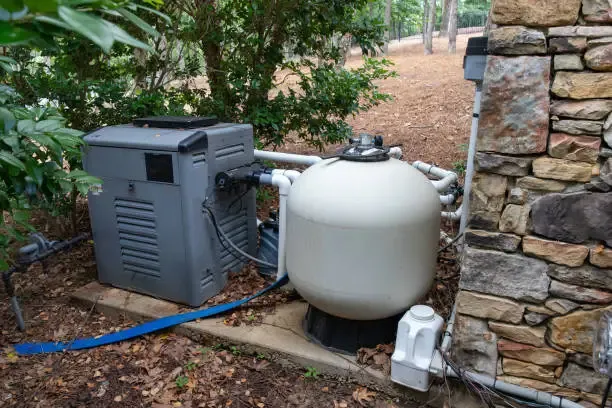
Yes. When you backwash or change sand, a small amount of fine sand can settle into the pool in the first 24–48 hours. This happens because fine particles get displaced during the cleaning cycle. It clears on its own.
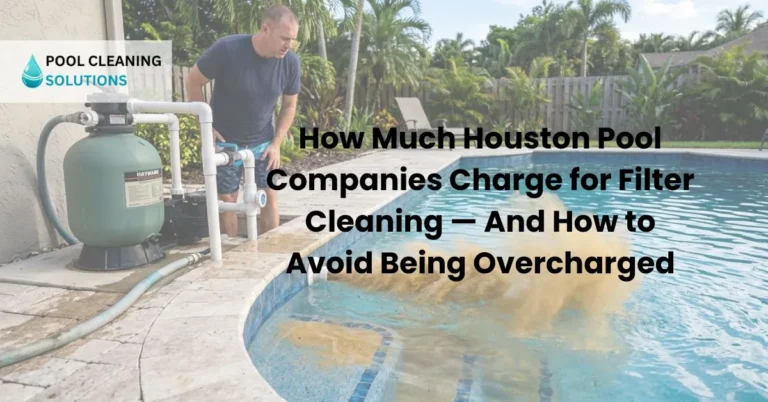
What is not normal: sand appearing consistently every day, piles forming near return jets, or sand returning after you vacuum it out. If that describes your situation, there is a broken component inside the filter tank.
How Do You Tell Where the Sand Is Coming From?
Before diagnosing anything, identify the source. This tells you which component failed.
Sand near the return jets.
This is the most telling sign. It means sand is passing through the filter and coming back through the return lines. This points to cracked laterals, a broken standpipe, or wrong-grade sand that passes through the lateral slots.
Sand spread evenly across the pool floor.
This can indicate a spider gasket failure inside the multiport valve, which allows water to bypass the correct flow path during backwash and push sand into the return line.
Sand only appears after pump startup.
A small burst of sand when the pump kicks on often means sand got into the standpipe during a sand change. It flushes out for a few cycles and stops. If it does not stop after 3–4 pump cycles, the problem is structural.
The stocking test.
Tie a knee-high stocking over one return jet and run the pump for 30 minutes. If sand collects in the stocking, the problem is inside the filter. If no sand collects, something external wind, foot traffic, or algae may be the culprit.
What Causes Sand to Come Into the Pool After Filter Cleaning
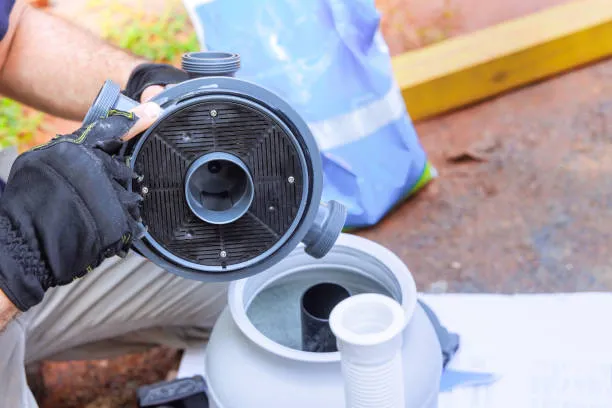
These are some causes which cause sand to come into the swimming pool filter after cleaning.
Cause 1 — Cracked or Broken Laterals
Laterals are the plastic slotted arms at the base of the sand tank. There are usually 8–10 of them. Each lateral has slots fine enough to let water through but small enough to stop sand. When one or more laterals crack, sand has a direct path into the return line.
Pool owners on TroubleFreePools confirm this is the first thing to check. Laterals crack from age and normal wear, from being struck during a sand change, from freeze-thaw cycles, or from being overtightened during reassembly. Even a hairline crack you cannot easily see is enough to let sand through continuously.
The fix is permanent only if you replace the laterals. Patching does not work under sustained water pressure.
Cause 2 — Cracked or Misaligned Standpipe
The standpipe runs vertically through the center of the tank, connecting the multiport valve at the top to the lateral hub at the bottom. If the standpipe cracks, shifts off-center, or gets sand poured directly into it during a refill, sand bypasses filtration entirely.
Sand inside the standpipe is one of the most common mistakes after a DIY sand change. Pouring sand without covering the standpipe opening means sand falls straight in and blows into the pool the moment the pump starts. TroubleFreePools community members recommend covering the standpipe opening with duct tape before pouring new sand every single time.
Cause 3 — Worn Multiport Valve Spider Gasket
The spider gasket seals the internal pathways inside the multiport valve. It prevents water from leaking between ports for example, between the filter position and the backwash position. When the gasket tears or warps, water finds unintended paths through the valve.
A worn spider gasket does not typically push sand into the pool during normal filter mode. But during backwash or rinse cycles, a leaking gasket can allow dirty, sand-carrying water to exit through the return port instead of the waste line. This is why some homeowners see sand appear specifically after backwashing then it seems to stop then reappears at the next backwash. The gasket is the likely cause when that pattern repeats.
Turning the multiport valve handle without fully depressing it, or switching positions while the pump is running, accelerates gasket wear. Professional pool technician note this is the single most common cause of premature spider gasket failure.
Cause 4 — Overfilled or Wrong-Grade Sand
- Sand filters require a specific fill level, usually around two-thirds of the tank.
- Overfilling reduces the headroom above the sand bed. During backwash, the agitated sand has nowhere to go and gets pushed up and out through the valve or return line.
- Wrong-grade sand is equally problematic. Pool filters require No. 20 silica sand grains sized 0.45–0.55mm.
- Playground sand, construction sand, or fine beach sand has smaller particles that pass straight through lateral slots.
Cause 5 — Overpowered Pump
An oversized pump creates flow velocity high enough to carry sand through properly functioning laterals. Lateral slots are designed for standard residential flow rates. When a pump is significantly oversized for the filter, sand particles are pulled through slots that would otherwise hold them back.
This is less common but worth checking if you have replaced laterals and still see sand. The fix here is not a filter repair, it is matching pump size to filter capacity or adding a flow restrictor.
What Is the Permanent Fix for Each Cause?
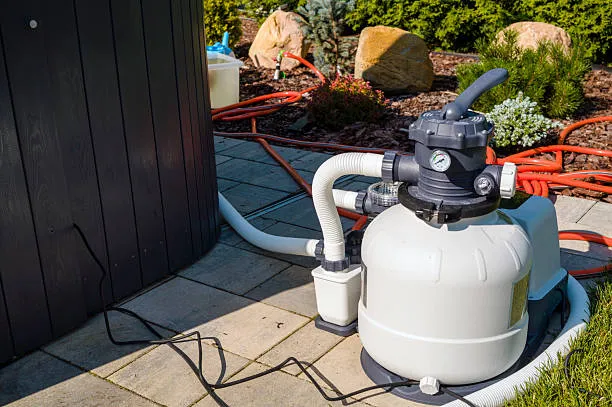
Broken laterals:
Drain the tank completely. Vacuum out all the sand using a shop vac. Remove the lateral assembly and inspect every lateral for cracks, including the hub where they connect. Replace the full lateral assembly, not just the cracked one. Individual laterals fail in sets as they age; replacing one now means another fails in six months. Refill with correct-grade sand to the proper level.
Sand in the standpipe:
If the sand change was recent, run the pump for 3–5 cycles on backwash and rinse to flush it out. If sand keeps appearing after that, drain the tank, vacuum out the sand, and inspect the standpipe for cracks. Re-seal the standpipe connection at the lateral hub if it has shifted. When refilling, always cover the standpipe opening before pouring.
Worn spider gasket:
Turn off the pump, disassemble the multiport valve, and remove the old gasket. Clean the grooves completely any residue prevents the new gasket from seating properly. Apply a thin bead of pool-approved adhesive (3M 4799 or equivalent) and press the new gasket flat into the groove. Allow full cure time before reassembling. If the valve body itself is cracked or the gasket has failed more than twice, replace the entire multiport valve. TroubleFreePools experts recommend replacing the full valve after repeated spider gasket failures rather than continuing to repair.
Wrong-grade or overfilled sand:
Drain the tank, remove all sand, and refill with No. 20 silica pool filter sand from a pool supply store. Fill to the manufacturer-specified level typically two-thirds of the tank. Run a full backwash and rinse cycle before switching to filter mode.
Oversized pump:
Consult the filter’s flow rate specifications and compare to your pump’s GPH rating. If the pump exceeds the filter’s rated maximum flow, install a flow restrictor or replace the pump motor with a correctly-sized variable-speed unit.
What About Mustard Algae in Pool Filter That Looks Like Sand?
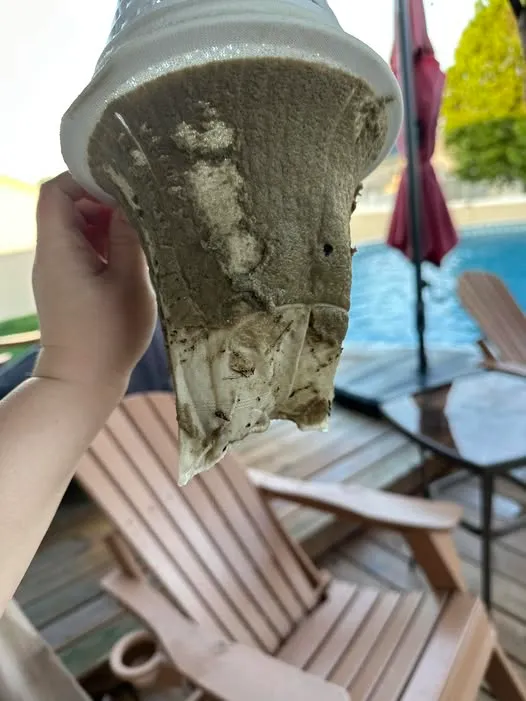
One cause that has nothing to do with the filter: mustard algae. It is a yellow-green algae that settles on the pool floor in patches that look almost identical to fine sand. It brushes up easily but returns within hours.
The test is simple. Brush a patch toward the return jet. If it disperses into the water and disappears, it is sand. If it floats up, clouds the water briefly, then resettles, it is mustard algae. Mustard algae requires a dedicated algaecide and shock treatment not a filter repair.